Japanese Kamon

Japanese family crests, known as Kamon, have been used in Japan for centuries as symbols representing family lineage, identity, and tradition.

Many Kamon are inspired by nature, featuring simplified forms of plants, flowers, animals, and geometric patterns.
Their quiet balance and minimal forms reflect a uniquely Japanese sense of beauty.

Originally used to distinguish families and clans, Kamon gradually became part of Japanese culture through clothing, architecture, crafts, and ceremonial objects.

Today, Kamon continue to be appreciated not only as historical symbols, but also for their timeless design and refined simplicity.

More than 25,000 varieties of Kamon have been identified, and new crests continue to be discovered even today.
Traditionally, Kamon are passed down through family generations, although some families also create new crests of their own.

The examples below represent only a small selection of commonly used Kamon in Japan.
Katabami (Wood Sorrel/Oxalis)

Katabami symbolizes vitality, prosperity, and the continuation of family lineage.
Because oxalis spreads and grows vigorously, it has long been associated with enduring prosperity and resilience.

Mokko (Quince)

Symbol of peace, growth, and new beginnings. Inspired by the unfurling fern frond, representing harmony and the cycle of life.

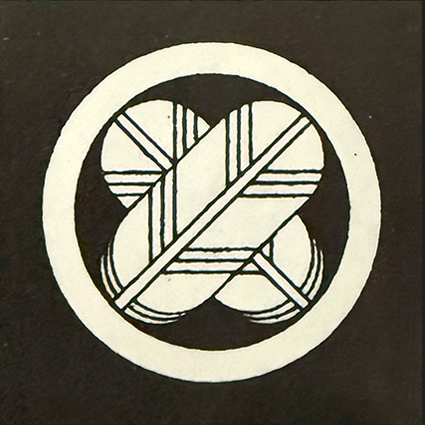
Takanoha (Hawk Feathers)

Traditional Māori hand weapon symbolizing authority, strength, and leadership. Historically crafted from stone, wood, bone, or pounamu.

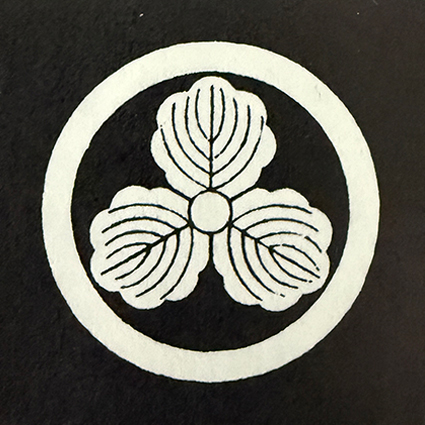
Kashiwa (Oak)

Kashiwa symbolizes family continuity and prosperity.
Because old leaves remain until new ones grow, it is associated with the continuation of generations.

Fuji (Wisteria)

Fuji represents elegance, longevity, and grace.
Wisteria has long been associated with noble families and refinement.

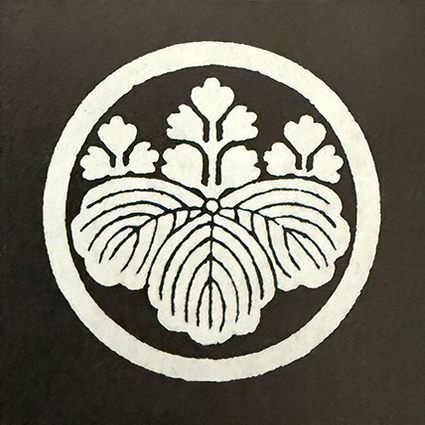
Kiri (Paulownia)

Kiri symbolizes nobility, prestige, and formality.
It has long been regarded as one of the most distinguished Kamon designs in Japan.

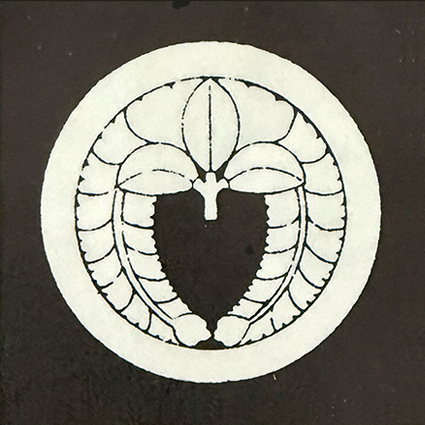
Tsuta (Ivy)

Tsuta symbolizes strong vitality, growth, and enduring prosperity.
Its meaning comes from the way ivy continues to spread and intertwine as it grows.

Ume (Plum Blossom)

Ume symbolizes perseverance, vitality, and hope.
As one of the first flowers to bloom at the end of winter, it represents the arrival of spring.

Tachibana (Citrus Tachibana)

Tachibana symbolizes longevity, prosperity, and eternity.
As an evergreen citrus tree that bears fruit, it has long been regarded as a symbol of good fortune.

Japanese Kamon

Japanese family crests, known as Kamon, have been used in Japan for centuries as symbols representing family lineage, identity, and tradition.

Many Kamon are inspired by nature, featuring simplified forms of plants, flowers, animals, and geometric patterns.
Their quiet balance and minimal forms reflect a uniquely Japanese sense of beauty.

Originally used to distinguish families and clans, Kamon gradually became part of Japanese culture through clothing, architecture, crafts, and ceremonial objects.

Today, Kamon continue to be appreciated not only as historical symbols, but also for their timeless design and refined simplicity.

More than 25,000 varieties of Kamon have been identified, and new crests continue to be discovered even today.
Traditionally, Kamon are passed down through family generations, although some families also create new crests of their own.

The examples below represent only a small selection of commonly used Kamon in Japan.
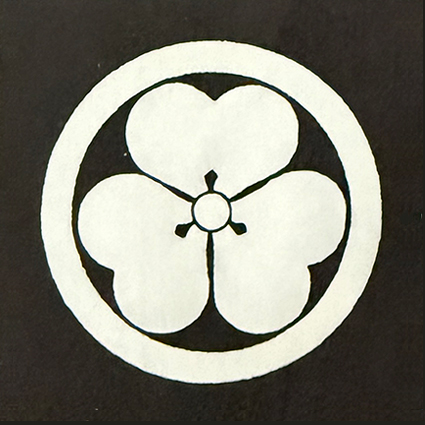
Katabami (Oxalis)

Katabami symbolizes vitality, prosperity, and the continuation of family lineage.
Because oxalis spreads and grows vigorously, it has long been associated with enduring prosperity and resilience.

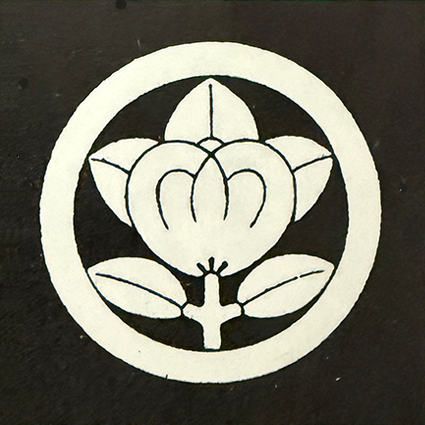
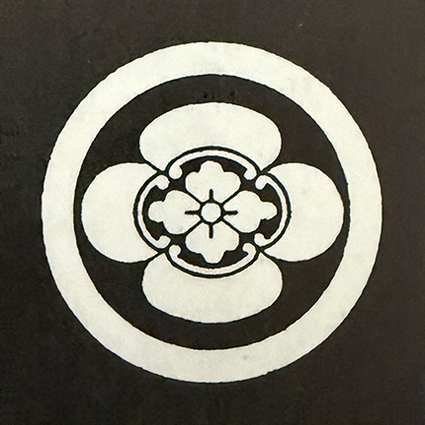
Mokko (Quince)

Mokko is a Kamon design believed to be inspired by the shape of a bird’s nest, a cross-section of a melon, or a flower.
Its soft, rounded form symbolizes harmony, prosperity, and abundance.

Takanoha (Hawk Feathers)

Takanoha symbolizes strength, sharpness, and dignity.
Traditionally favored by samurai families, it represents courage and aspiration for success.

SKashiwa (Oak)

Kashiwa symbolizes family continuity and prosperity.
Because old leaves remain until new ones grow, it is associated with the continuation of generations.

Fuji (Wisteria)

Fuji represents elegance, longevity, and grace.
Wisteria has long been associated with noble families and refinement.

Kiri (Paulownia)

Kiri symbolizes nobility, prestige, and formality.
It has long been regarded as one of the most distinguished Kamon designs in Japan.

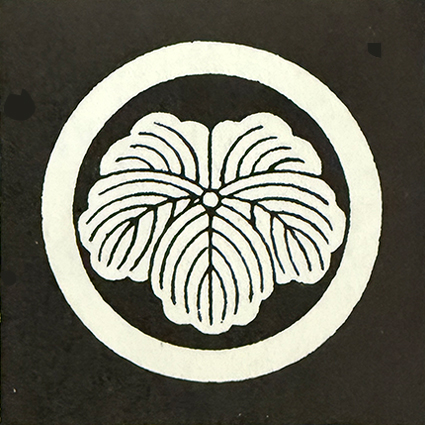
Tsuta (Ivy)

Tsuta symbolizes strong vitality, growth, and enduring prosperity.
Its meaning comes from the way ivy continues to spread and intertwine as it grows.

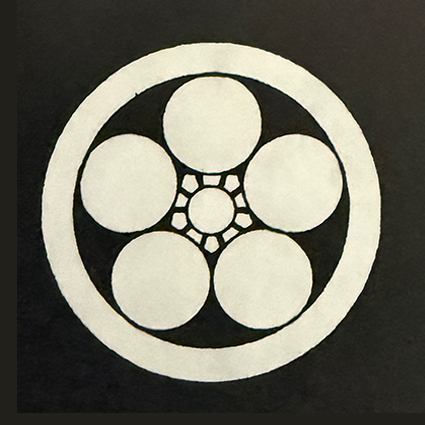
Ume (Plum Blossom)

Ume symbolizes perseverance, vitality, and hope.
As one of the first flowers to bloom at the end of winter, it represents the arrival of spring.

Tachibana (Citrus Tachibana)

Tachibana symbolizes longevity, prosperity, and eternity.
As an evergreen citrus tree that bears fruit, it has long been regarded as a symbol of good fortune.