Traditional Māori design from New Zealand carries meanings connected to nature, ancestry, journeys, growth, and spirituality.
These forms are not simply decorative, but have been passed down as expressions of the relationship between people and the natural world.

The flowing curves and abstract shapes found in Māori design contain both quietness and strength, reflecting the movement and balance of nature.

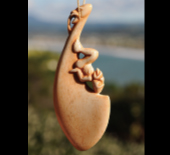
One of the most well-known motifs is the Koru, inspired by the unfurling frond of the silver fern. It represents growth, new beginnings, and the cycle of life.

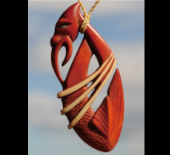
Another important form is the Hei Matau, or fish hook design, which symbolizes strength, prosperity, and safe travel.
Its shape reflects the close relationship between Māori culture and the ocean.

Māori design holds a deep connection to the land and nature of New Zealand, carrying a unique beauty that has been preserved through generations.
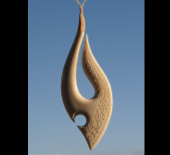
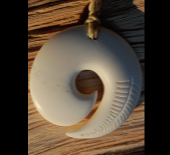
FISH HOOK (Hei Matau)

Symbol of strength, prosperity, and success in life. Traditionally associated with safe travel and a strong connection to the ocean.

KORU (Spiral)

Symbol of peace, growth, and new beginnings. Inspired by the unfurling fern frond, representing harmony and the cycle of life.

PATU

Traditional Māori hand weapon symbolizing authority, strength, and leadership. Historically crafted from stone, wood, bone, or pounamu.

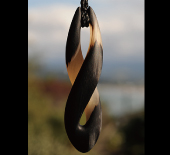
SINGLE TWIST

Symbol of eternity and the path of life. Represents the continuous journey through life.

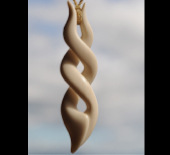
DOUBLE TWIST

Symbol of connection between two people or cultures. Represents friendship, loyalty, and the bond between lives that may take separate paths but remain connected.

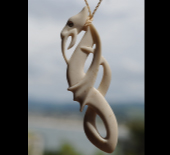
MANAIA

Protective spiritual guardian in Māori tradition. Believed to watch over and protect people from harm.

TANIWHA

Mythological creature connected to water in Māori tradition. Often regarded as a guardian and protector, especially of rivers and oceans.

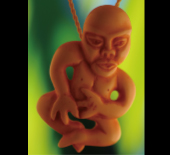
TIKI

Figure connected to Māori and Polynesian mythology. Often regarded as a symbol of protection and the first human being.

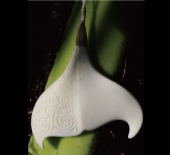
WHALE TAIL

Symbol of strength, protection, and harmony with nature. Also associated with guidance and safe journeys across the ocean.

Traditional Māori design from New Zealand carries meanings connected to nature, ancestry, journeys, growth, and spirituality.
These forms are not simply decorative, but have been passed down as expressions of the relationship between people and the natural world.

The flowing curves and abstract shapes found in Māori design contain both quietness and strength, reflecting the movement and balance of nature.

One of the most well-known motifs is the Koru, inspired by the unfurling frond of the silver fern. It represents growth, new beginnings, and the cycle of life.

Another important form is the Hei Matau, or fish hook design, which symbolizes strength, prosperity, and safe travel.
Its shape reflects the close relationship between Māori culture and the ocean.

Māori design holds a deep connection to the land and nature of New Zealand, carrying a unique beauty that has been preserved through generations.